

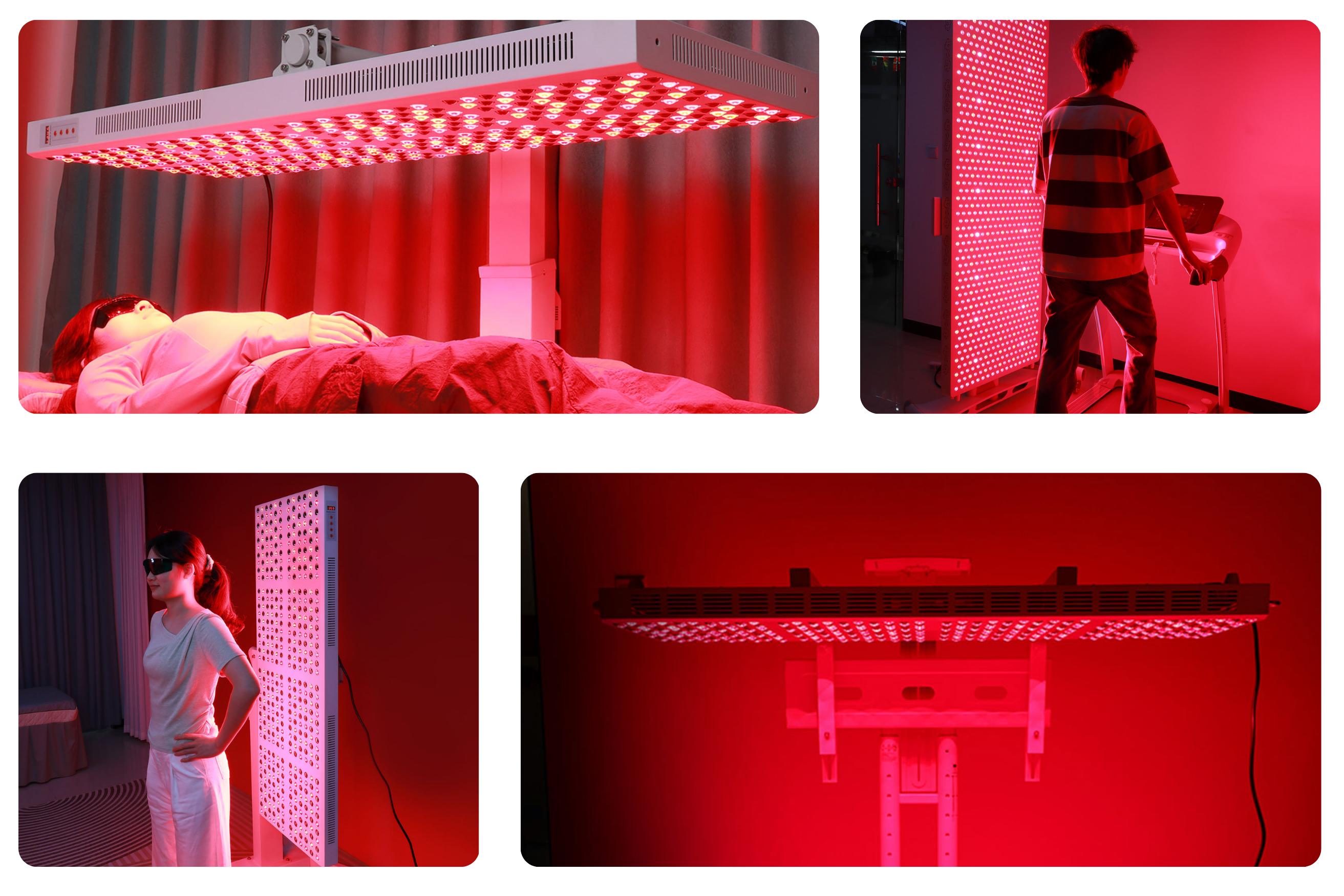
If you've looked into red light therapy, you've probably seen it offered at spas, dermatology clinics, and wellness centers — sometimes for $50–$150 per session. So is it worth buying a home device, or should you stick with professional treatments? Let's break it down honestly.
What Professional Red Light Therapy Looks Like
Professional treatments are typically done in a clinical or spa setting using large, high-powered light beds or panels. Sessions usually last 10–20 minutes and are administered by a trained technician. The equipment is medical-grade and often very powerful.
Pros of professional treatments:
- High-powered devices with strong irradiance output
- Guided by a professional who can tailor the protocol
- No upfront equipment cost
Cons of professional treatments:
- Expensive — $50–$150 per session adds up fast
- Requires scheduling and travel
- Inconsistent access makes it hard to maintain the frequency needed for results
- Costs never stop — you pay every time
What Home Red Light Therapy Looks Like
Home devices have improved dramatically in recent years. Quality consumer devices now use the same clinically studied wavelengths (660nm and 850nm) as professional equipment, at power levels that are highly effective for regular home use.
Pros of home devices:
- One-time cost that pays for itself quickly
- Use it daily on your own schedule — consistency is easier to maintain
- No travel, no appointments, no waiting rooms
- Treat multiple concerns over time with the same device
Cons of home devices:
- Upfront investment required
- Requires self-discipline to use consistently
- Lower irradiance than some clinical-grade equipment
The Cost Comparison
Let's do the math. If professional sessions cost $75 each and you need 3 sessions per week for 8 weeks to see results, that's $1,800 — and you'd need to keep going to maintain results.
A quality home device like our LED Red Light Therapy Panel is a one-time purchase that you can use daily for years. Most home devices pay for themselves within the first 1–2 months compared to professional treatments.
Does Home Red Light Therapy Actually Work?
Yes — the research that supports red light therapy is based on the wavelengths and dosage, not the setting. The same 660nm and 850nm wavelengths used in clinical studies are available in home devices. The key difference is irradiance (power output), but modern home panels have closed this gap significantly.
The bigger factor for results is consistency — and home devices win here because you can use them every day without scheduling or cost barriers.
Who Should Consider Professional Treatments?
Professional treatments make sense if you:
- Want to try red light therapy before committing to a device
- Are treating a specific medical condition under a doctor's supervision
- Need the highest possible irradiance for a short-term intensive protocol
Who Should Buy a Home Device?
A home device is the better long-term investment if you:
- Want to use red light therapy regularly as part of your wellness routine
- Are treating ongoing concerns like chronic pain, skin aging, or muscle recovery
- Value convenience and want to fit sessions into your daily life
- Want to save money over time
Our Red Light Recovery Devices and Skin Care Devices are designed for exactly this — effective, convenient home use at a fraction of the ongoing cost of professional treatments.
The Bottom Line
Professional red light therapy works, but the cost and inconvenience make it hard to maintain the consistency that drives real results. Home devices have caught up in quality, and the ability to use them daily on your own schedule is a genuine advantage. For most people, a quality home device is the smarter long-term investment.
Ready to make the switch? Explore our full range of Red Light Recovery Devices to find the right device for your goals and budget.


