

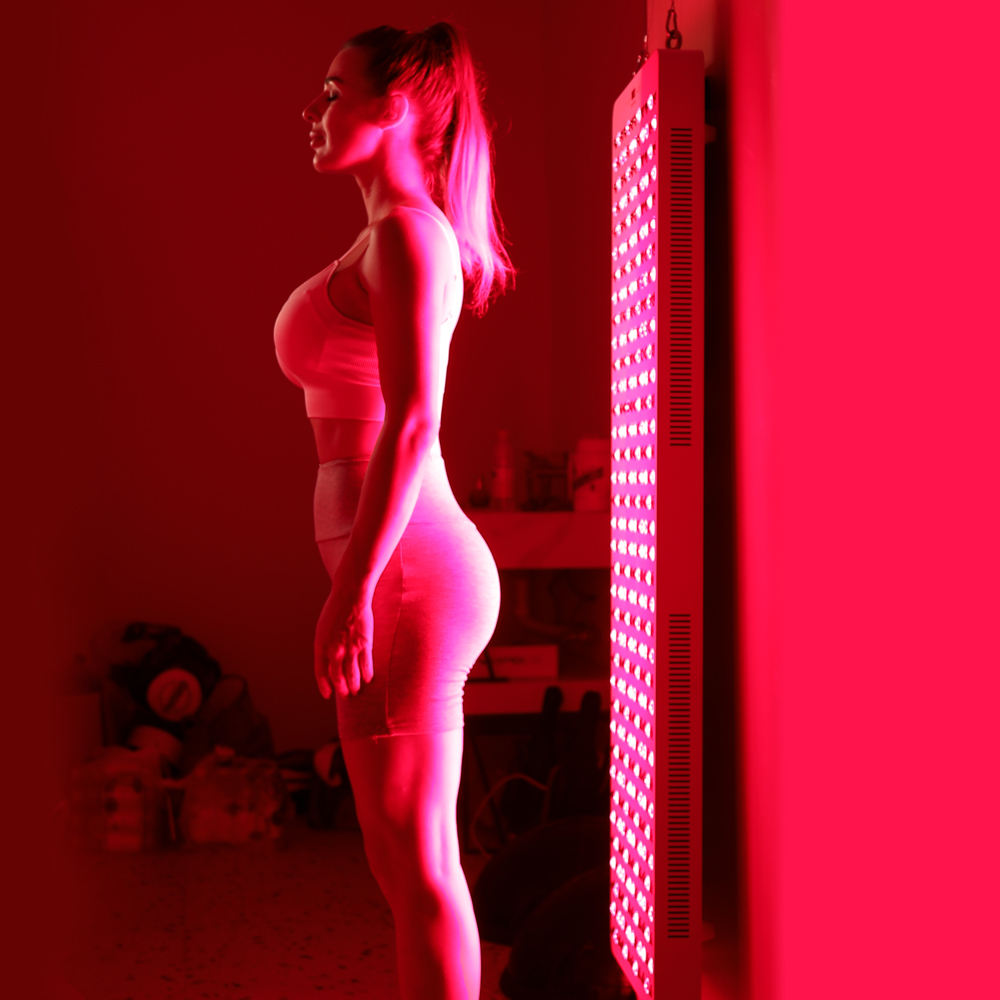
When shopping for a red light therapy device, you'll quickly run into two numbers: 660nm and 850nm. These refer to the wavelengths of light emitted by the device — and choosing the right one (or both) makes a real difference in your results. Here's exactly what each wavelength does and how to pick the right one for your goals.
What Is a Wavelength?
Wavelength is measured in nanometers (nm) and describes the size of a light wave. Different wavelengths penetrate the body to different depths and trigger different biological responses. In red light therapy, the two most researched and effective wavelengths are 660nm and 850nm.
660nm: Red Light
660nm sits in the visible red light spectrum — you can actually see it as a bright red glow. It penetrates the skin to a depth of about 1–2 millimeters, reaching the epidermis and upper dermis where skin cells, collagen fibers, and surface blood vessels live.
Best for:
- Collagen and elastin production (anti-aging)
- Reducing fine lines and wrinkles
- Improving skin tone, texture, and radiance
- Healing acne, redness, and surface inflammation
- Wound healing and scar reduction
Ideal devices: Our LED face masks use 660nm as a primary wavelength for full-face skin rejuvenation. The Red Light Recovery Face Mask and LED Light Wellness Face Mask are purpose-built for skin goals.
850nm: Near-Infrared Light
850nm sits just outside the visible spectrum — you can't see it, but you may feel a gentle warmth. It penetrates much deeper, reaching 3–5 centimeters into the body, passing through skin into muscle, joint tissue, and even bone.
Best for:
- Muscle recovery and reducing soreness (DOMS)
- Joint pain and arthritis relief
- Deep tissue inflammation reduction
- Nerve regeneration and neuropathic pain
- Improving circulation in deeper tissues
Ideal devices: The Portable Red Light Recovery Wand delivers targeted 850nm therapy to specific joints and muscles. For larger areas, the LED Red Light Therapy Panel covers broad muscle groups with both wavelengths simultaneously.
Side-by-Side Comparison
- 660nm — Visible red | Penetrates 1–2mm | Best for skin, collagen, surface healing
- 850nm — Invisible near-infrared | Penetrates 3–5cm | Best for muscles, joints, deep pain
Do You Need Both?
For most people, yes — and here's why. Even if your primary goal is skin, your body benefits from the deeper cellular energy boost that 850nm provides. And if your primary goal is pain relief, your skin still absorbs 660nm on the way through, giving you surface benefits as a bonus.
That's why many of our devices combine both wavelengths. The LED Red Light Therapy Panel and 660nm 850nm Portable Heat Panel deliver both simultaneously, maximizing your results in a single session.
What About Other Wavelengths?
Some devices advertise additional wavelengths like 630nm, 810nm, or 940nm. These can have benefits, but 660nm and 850nm are the most extensively researched and are considered the gold standard for home red light therapy. When in doubt, prioritize devices that include these two core wavelengths.
The Bottom Line
660nm targets your skin; 850nm targets deeper tissue. Both are valuable, and dual-wavelength devices give you the best of both worlds. Match your device to your primary goal — or choose a combination device and cover all your bases.
Browse our Red Light Recovery Devices and Skin Care Devices to find the right wavelength combination for you.


