

Whether you're a weekend warrior or a serious athlete, recovery is where gains are actually made. Red light therapy has quietly become one of the most evidence-backed recovery tools available — used by professional sports teams, Olympic athletes, and everyday fitness enthusiasts alike. Here's what you need to know.
Why Recovery Matters More Than the Workout
When you exercise, you create microscopic tears in muscle fibers. Your body repairs these tears during recovery, building the muscle back stronger. The faster and more completely you recover, the sooner you can train again — and the better your long-term results. Anything that accelerates this repair process is a genuine performance advantage.
How Red Light Therapy Supports Muscle Recovery
Near-infrared light (850nm) penetrates deep into muscle tissue — up to 3–5 centimeters — where it triggers several recovery-enhancing processes:
- Increased ATP production — gives muscle cells more energy to repair damage faster
- Reduced inflammation — decreases inflammatory markers like IL-6 and TNF-alpha in treated tissue
- Improved circulation — increases blood flow to deliver oxygen and nutrients to recovering muscles
- Reduced oxidative stress — neutralizes free radicals generated during intense exercise
- Faster clearance of metabolic waste — helps flush lactic acid and other byproducts from muscle tissue
What the Research Says
Red light therapy for athletic recovery is one of the most studied applications of the technology:
- A meta-analysis in the Journal of Athletic Training found that red light therapy significantly reduced muscle soreness and improved recovery time compared to placebo
- Studies show reduced delayed onset muscle soreness (DOMS) when RLT is applied before or after exercise
- Research on professional soccer players demonstrated faster return-to-play times with red light therapy protocols
- Multiple studies confirm improved muscle performance and endurance with pre-workout RLT sessions
Before or After a Workout?
Both timing strategies have research support:
- Pre-workout: Applying red light therapy before exercise may enhance performance by priming mitochondria, increasing circulation, and reducing pre-existing inflammation. Think of it as a cellular warm-up.
- Post-workout: Applying it after exercise accelerates the repair process, reduces DOMS, and helps you recover faster for your next session.
Many athletes do both — a short pre-workout session on the muscles they're about to train, and a longer post-workout session on the areas worked.
Best Devices for Athletic Recovery
For muscle recovery, you want a device that delivers 850nm near-infrared light with enough coverage for the muscle groups you're treating:
- The Portable Red Light Recovery Wand is ideal for targeted recovery on specific joints and muscles — knees, shoulders, calves, lower back
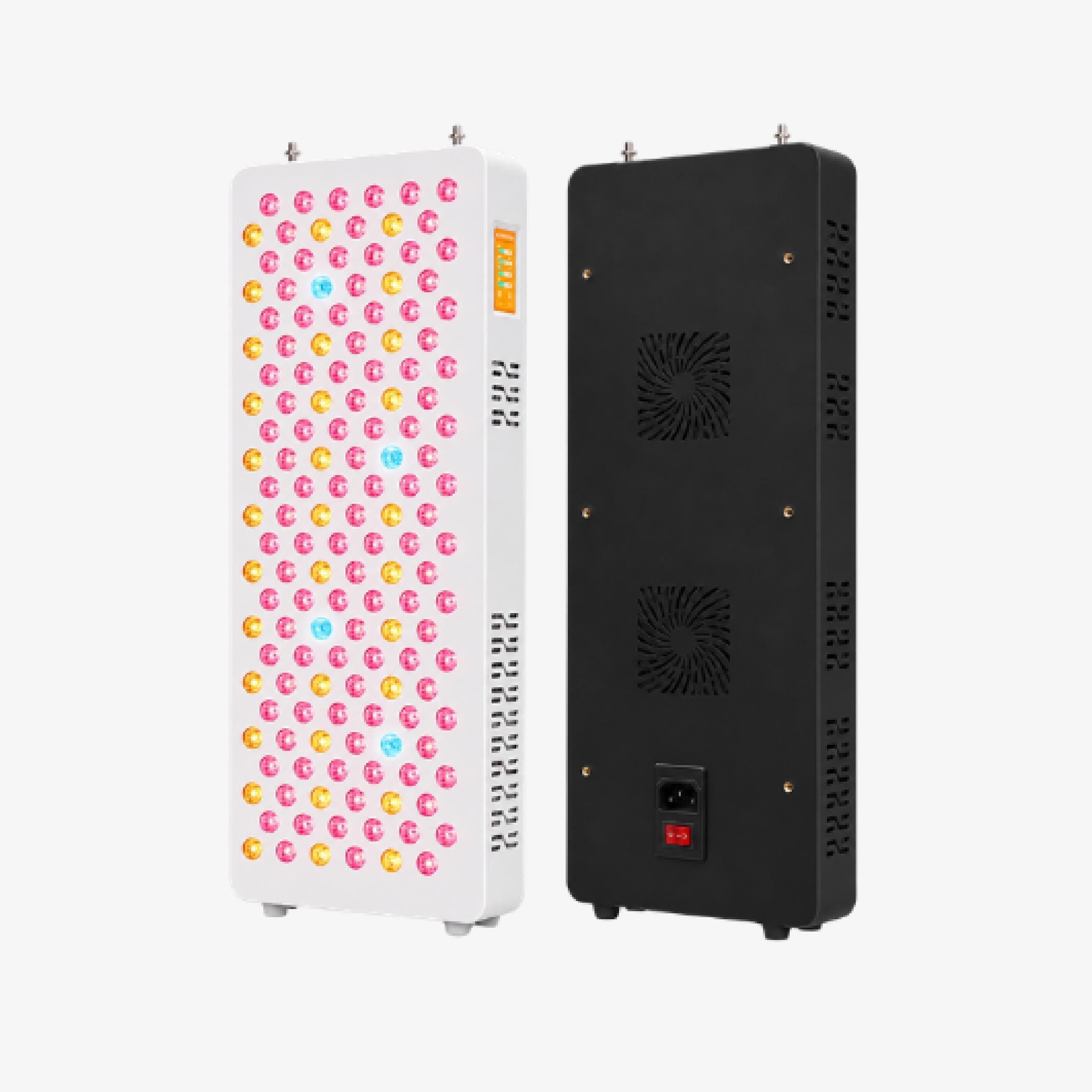
- The LED Red Light Therapy Panel covers large muscle groups like quads, hamstrings, and back simultaneously — perfect for full-body recovery sessions
- The 660nm 850nm Portable Heat Panel combines both wavelengths for surface and deep-tissue recovery in one device
Browse our full Red Light Recovery Devices collection to find the right fit for your training style.
Sample Recovery Protocol for Athletes
- Session length: 10–20 minutes per muscle group
- Distance: 6–12 inches from the device
- Frequency: Daily during heavy training blocks; 3–4x/week during maintenance
- Timing: Within 1–2 hours post-workout for best results
Who Can Benefit?
Red light therapy for recovery isn't just for elite athletes. It's equally valuable for:
- Gym-goers dealing with persistent soreness
- Runners managing knee or IT band issues
- Anyone returning from injury who wants to speed up tissue repair
- Older athletes whose natural recovery slows with age
- Anyone who trains hard and wants to train more consistently
The Bottom Line
Red light therapy is one of the most well-researched recovery tools available, and it's now accessible for home use. By reducing inflammation, boosting cellular energy, and improving circulation in muscle tissue, it helps you recover faster, train harder, and perform better over time.
Ready to upgrade your recovery routine? Explore our Red Light Recovery Devices to find the right device for your training goals.


